Water damage in your home: what to do in the first 24 hours
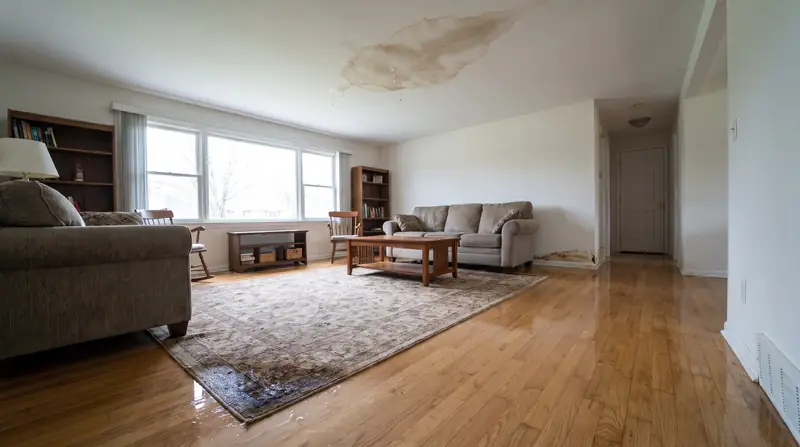
Illustration.
Finding water where it should not be is stressful. The good news: what you do in the first hours has a big effect on how much damage remains. Work through these steps in order.
1. Make the area safe
Water and electricity are a dangerous mix. If water is near outlets, appliances or the breaker panel, do not walk through it. Switch off power at the breaker only if you can reach it from a dry spot. If you smell gas or the ceiling is sagging, leave the home and call 911.
2. Stop the source
Close the main water shut-off valve. It is usually near the water heater, in the basement, in a utility closet or where the water line enters the house. For a leaking appliance, close the valve behind it.
3. Document before you clean
Take photos and videos of the water, the source and every damaged item before you move anything. Note the time you discovered the damage. Insurers usually ask for this.
4. Call your insurance company
Open a claim early and ask what your policy covers. Our insurance guide lists the questions to ask.
5. Remove water and start drying
Standing water can be removed with a wet vacuum if it is clean water from a supply line. Water from sewage backups or outside flooding can be contaminated; leave that to professionals. Move furniture off wet floors and lift rugs.
6. Get the hidden moisture measured
Water travels under flooring and into walls. A restoration company uses moisture meters to find it and air movers and dehumidifiers to dry it. Wet materials can start growing mold within 24 to 48 hours, which is why speed matters.
Get connected with a restoration company